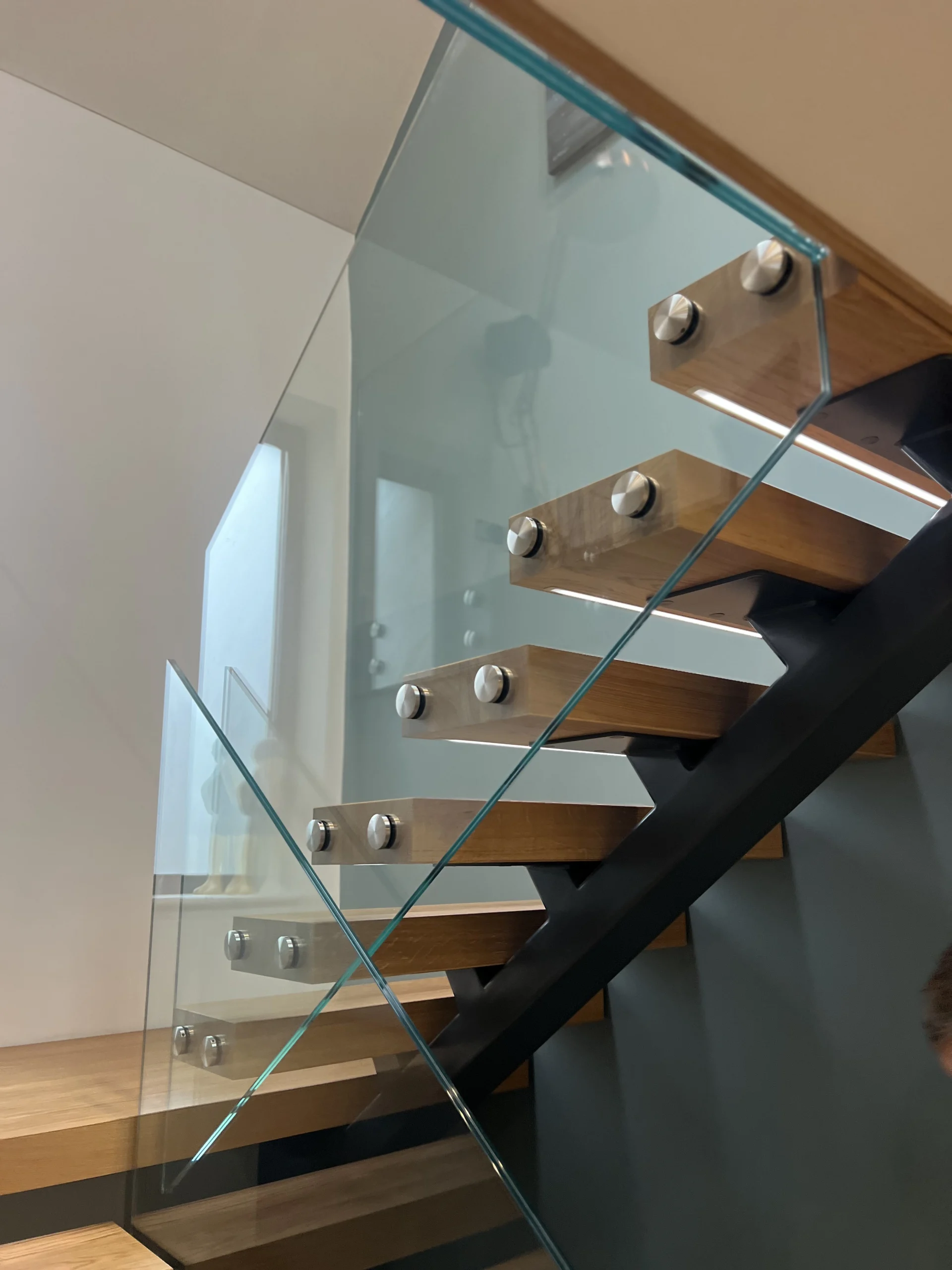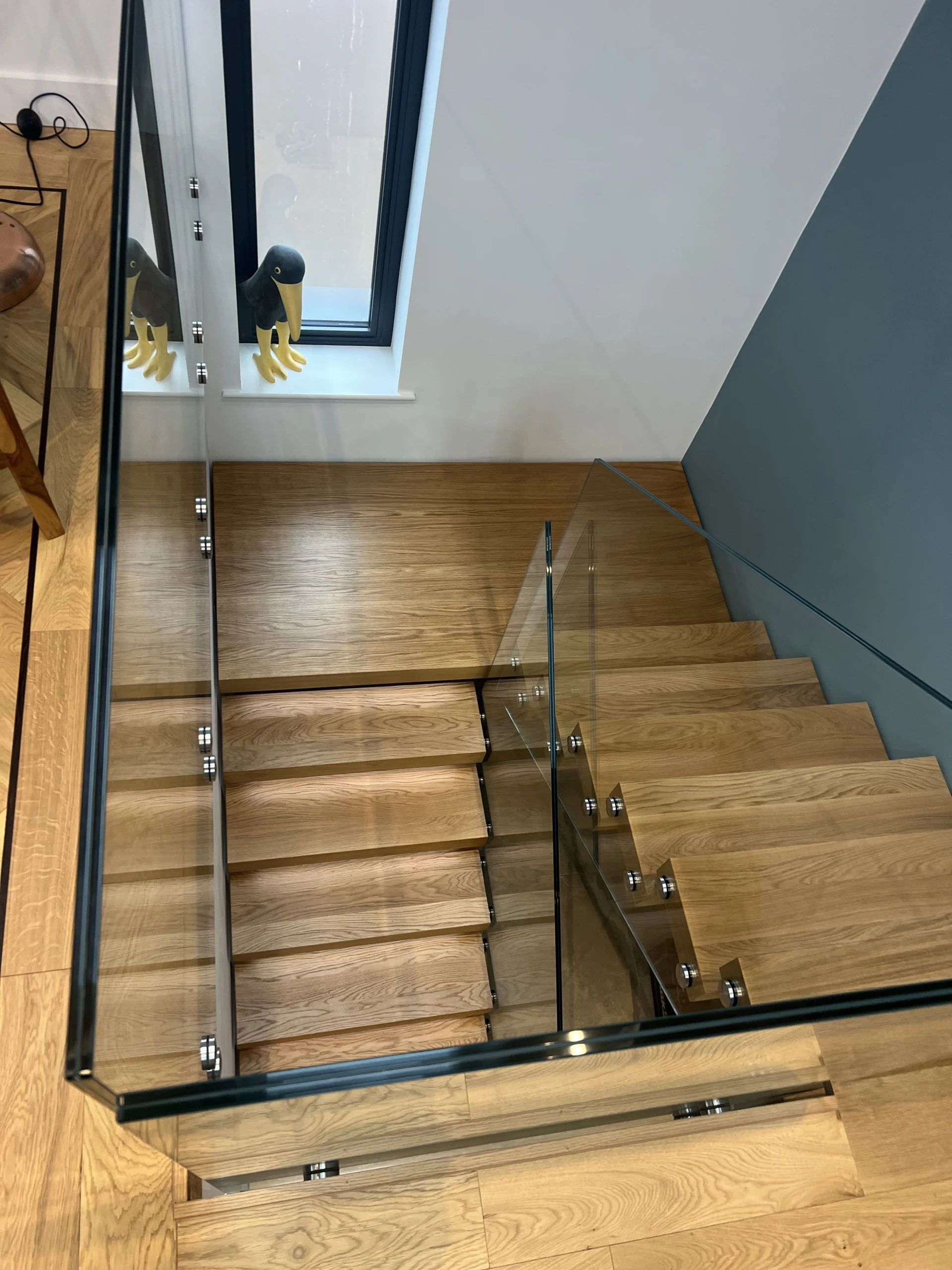

The question is natural — glass feels fragile, staircases have real fall consequences, and combining the two sounds like bad engineering. In reality, correctly specified glass balustrades are one of the safest barrier configurations available for UK residential staircases. The glass used in structural balustrades is not the same material as window glass — it's engineered, tested, and certified to withstand forces that would destroy the timber or metal alternatives most people consider "safer." What matters is specification, installation and maintenance. This guide answers the real safety questions homeowners ask, explains the UK standards that govern glass balustrade compliance, and — most importantly — shows when a glass balustrade is NOT safe, so you can recognise red flags before a purchase.
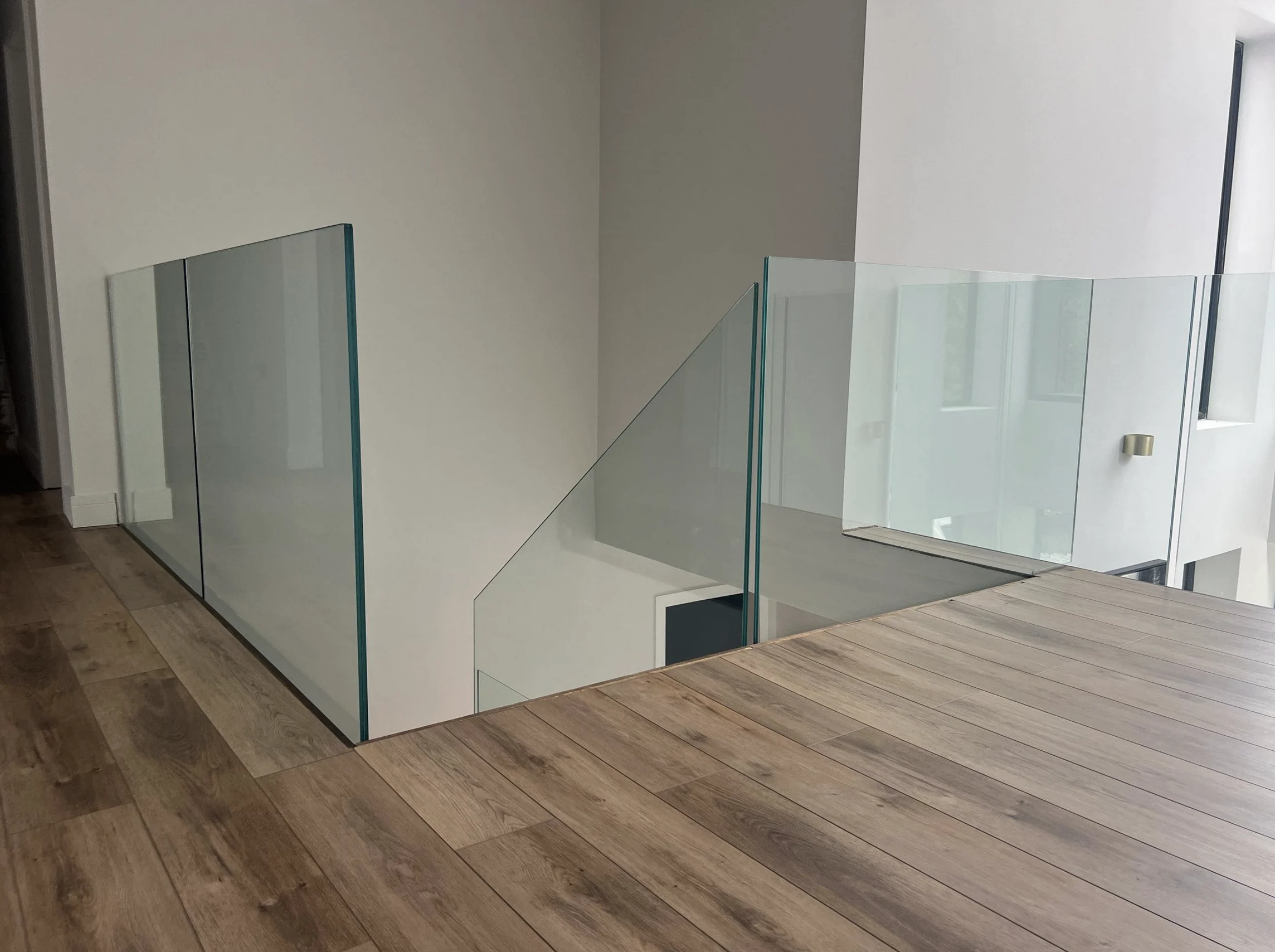
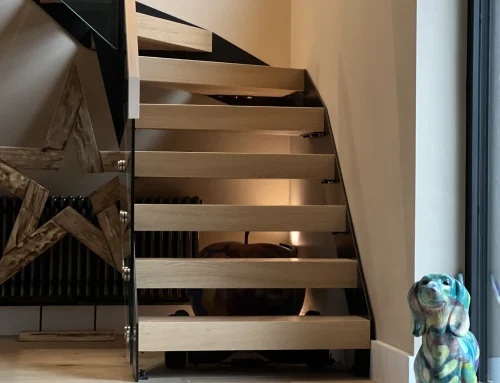
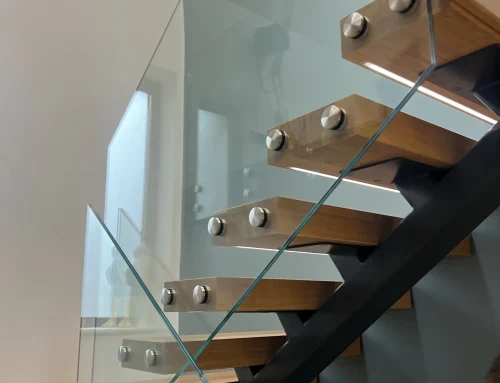
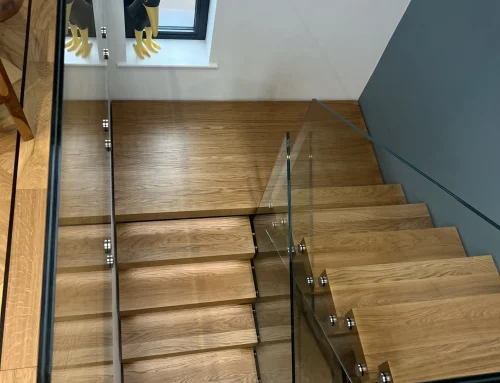
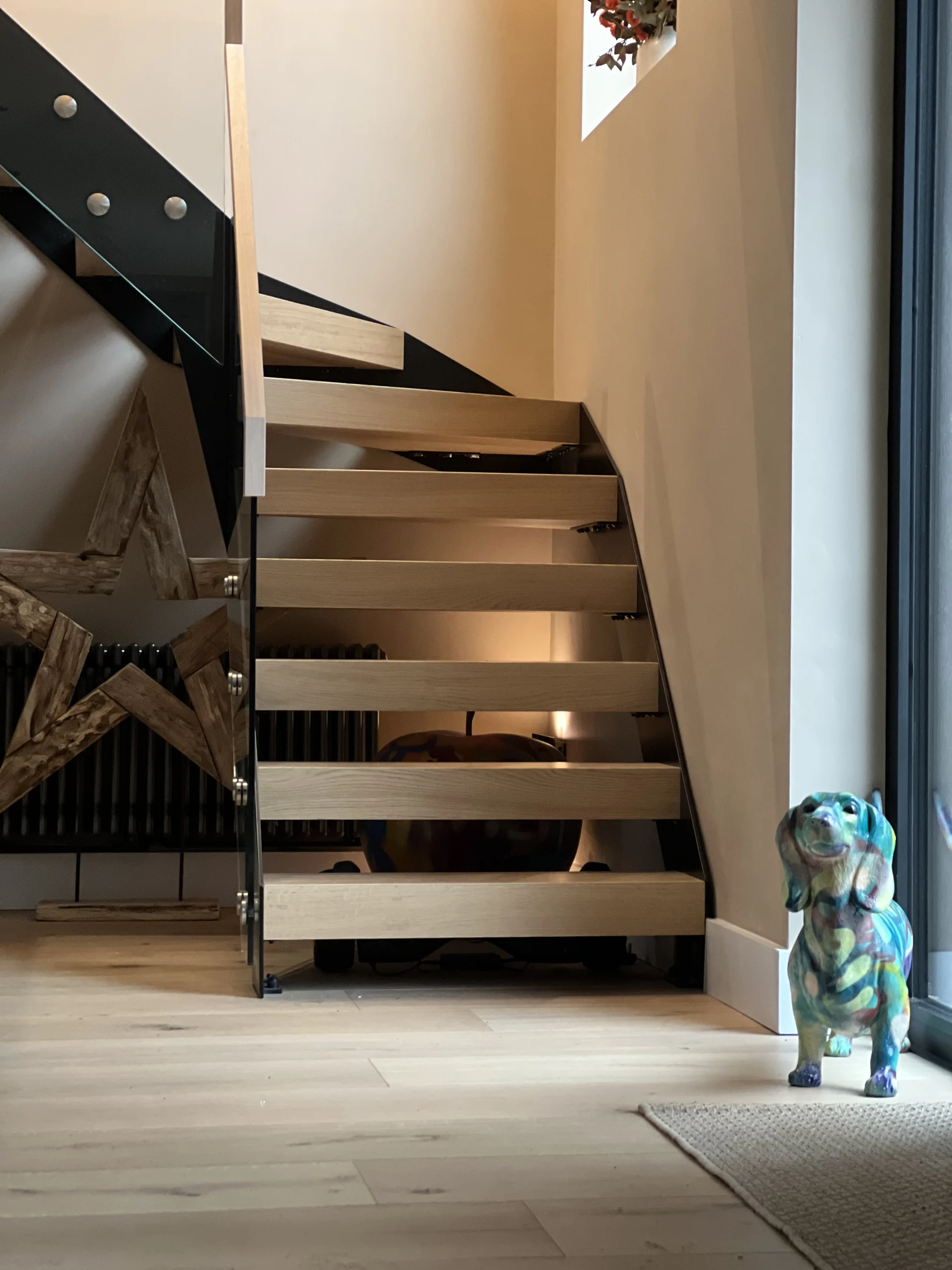
Staircase with toughened & laminated glass balustrade by Continox — engineered to BS 6180 structural loading and BS EN 14449 safety glass standards.
Yes — when specified and installed correctly. Glass balustrades for UK staircases use either toughened glass (BS EN 12150) for framed systems or toughened & laminated glass (BS EN 14449) for frameless systems at height. Both are tested to withstand horizontal loads far exceeding everyday use, comply with the 100mm sphere rule for child safety under Approved Document K, and meet the 0.74 kN/m line load requirement under BS 6180 for residential applications. Installed correctly, glass balustrades are structurally stronger than most timber spindle alternatives and eliminate climbing hazards that traditional spindles present to children.
The 5 Safety Questions Homeowners Actually Ask
These are the real concerns UK homeowners raise when considering glass balustrades on staircases. Each is addressed below with specific UK standards, real product specifications, and engineering data — not reassurance.
Toughened glass has a very small statistical risk of spontaneous breakage due to nickel sulphide (NiS) inclusions — microscopic impurities that can expand years after the glass is installed, causing the pane to fracture. The industry-reported failure rate is approximately 1 panel in 10,000 over the product lifetime, concentrated in the first 3–5 years after installation. This is why heat-soaked toughened glass (tested in an oven to trigger any latent NiS breakage during QA) is preferred for premium specifications.
The definitive safety answer is toughened & laminated glass (BS EN 14449) — two layers of toughened glass bonded with a PVB (polyvinyl butyral) interlayer. If one layer spontaneously breaks, the fragments are held in place by the interlayer and the barrier remains intact. Continox specifies toughened & laminated as standard on all frameless staircase and landing applications.
Structural balustrade glass is tested to BS EN 12600 impact classification using a 50kg weight dropped from 1200mm — significantly more force than a child's body weight at walking speed. A toughened 10–12mm glass panel in a framed balustrade system is classified at impact category 1B1 or better, meaning the glass withstands the test impact without breakage, or breaks in a way that does not produce dangerous fragments.
For perspective: a toddler running into a glass balustrade at full speed produces approximately 5–8% of the impact force used in BS EN 12600 certification testing. The specification carries enormous safety margin for everyday domestic use.
This is the specific scenario BS 6180 is written for — a person losing balance and falling sideways onto a balustrade. The standard specifies a horizontal line load of 0.74 kN/m for single-family residential, which equates to approximately 75kg of force along every linear metre of balustrade height. This is the force of an 80kg adult falling sideways with reasonable momentum. The balustrade must withstand this load at any point — top, middle, or bottom of the panel — without structural failure.
For public buildings the requirement is significantly higher: 1.5 kN/m general access, 3.0 kN/m dense public areas. Continox engineers every balustrade with a safety factor beyond the minimum standard — typical glass and fixing specification on a frameless residential installation is rated for approximately 2.0 kN/m actual load capacity, nearly triple the regulatory minimum.
Glass balustrades are structurally more than adequate for normal pet interaction — dogs brushing past, cats jumping up, impact from a thrown toy. Two pet-specific advantages over traditional spindle balustrades: no vertical bars for cats or small dogs to get stuck between, and no horizontal rails for pets to climb. A cat unable to climb up cannot fall over.
The one practical consideration with pets and glass balustrades is aesthetic rather than structural — nose prints, slobber marks, and paw smudges show prominently on clear glass and need more frequent cleaning than opaque alternatives. This is a cleaning issue, not a safety issue.
Correctly specified glass balustrades are engineered for continuous live load including people leaning, pressing and occasionally sitting on the top edge. The panel will flex slightly under lateral load (typical deflection is 2–5mm per kN/m applied force, well within the serviceability limit of L/65 under BS 6180) — this flex is normal and indicates the system is working as designed. Glass is not a rigid material at architectural thicknesses; the flex absorbs impact energy and distributes load to the fixings.
What you should NOT feel is wobble at the base fixings, creaking sounds under normal load, or visible gaps opening at the channel. These indicate fixing failure or incorrect installation, not panel flex.
The Technical Safety Case — UK Standards
Glass balustrades in the UK are governed by three overlapping standards, each addressing a different aspect of safety. Compliance with all three is what makes a glass balustrade installation legally and structurally safe.
| Standard | Governs | Requirement |
|---|---|---|
| Approved Document K | Geometry | 900mm min stair height; 1100mm at height; 100mm sphere rule |
| BS 6180 | Structural Load | 0.74 kN/m residential; 1.5 kN/m general; 3.0 kN/m dense public |
| BS EN 12150 | Toughened Glass | Production and thermal strengthening of safety glass |
| BS EN 14449 | Laminated Glass | Interlayer bonding, residual load capacity after breakage |
| BS EN 12600 | Impact Classification | Pendulum impact test, classes 1B1 / 2B2 / 3B3 |
The key takeaway: A glass balustrade is not a single product — it's a system. The glass specification (EN 12150 / EN 14449) must match the application (Part K height category), must meet the structural loading (BS 6180), and must pass impact classification (BS EN 12600). Get any one element wrong and the whole system is non-compliant regardless of how good the other elements are.
When Glass Balustrade is NOT Safe
Glass balustrade systems fail safety when specification shortcuts are taken, installation is incorrect, or maintenance is neglected. These are the specific red flags that indicate an unsafe installation — whether existing or being quoted. If you see any of these, do not proceed or use until assessed by a qualified installer.
Red Flags
Indicators of an Unsafe Glass Balustrade
Safety by Installation Context
Different positions in a UK home have different safety requirements. The same glass balustrade specification is not appropriate in every context — here's how specification should scale to application.
Frameless: 17.5mm T&L
Landing specification is where most non-compliance occursHomeowners often specify frameless glass that "matches" the stair flight on an upper landing, assuming the same glass thickness is sufficient. It's not — landing glass must be toughened & laminated regardless of thickness, because the fall consequence (3m+ to ground floor) requires residual barrier after breakage. For full regulatory detail see our glass balustrade regulations guide.
Child Safety — Specific Considerations
Households with young children often express the highest safety concerns about glass balustrades. Ironically, modern frameless glass balustrades are structurally safer for children than traditional timber spindle alternatives — but only when specified correctly.
Child Safety — What Correct Specification Delivers


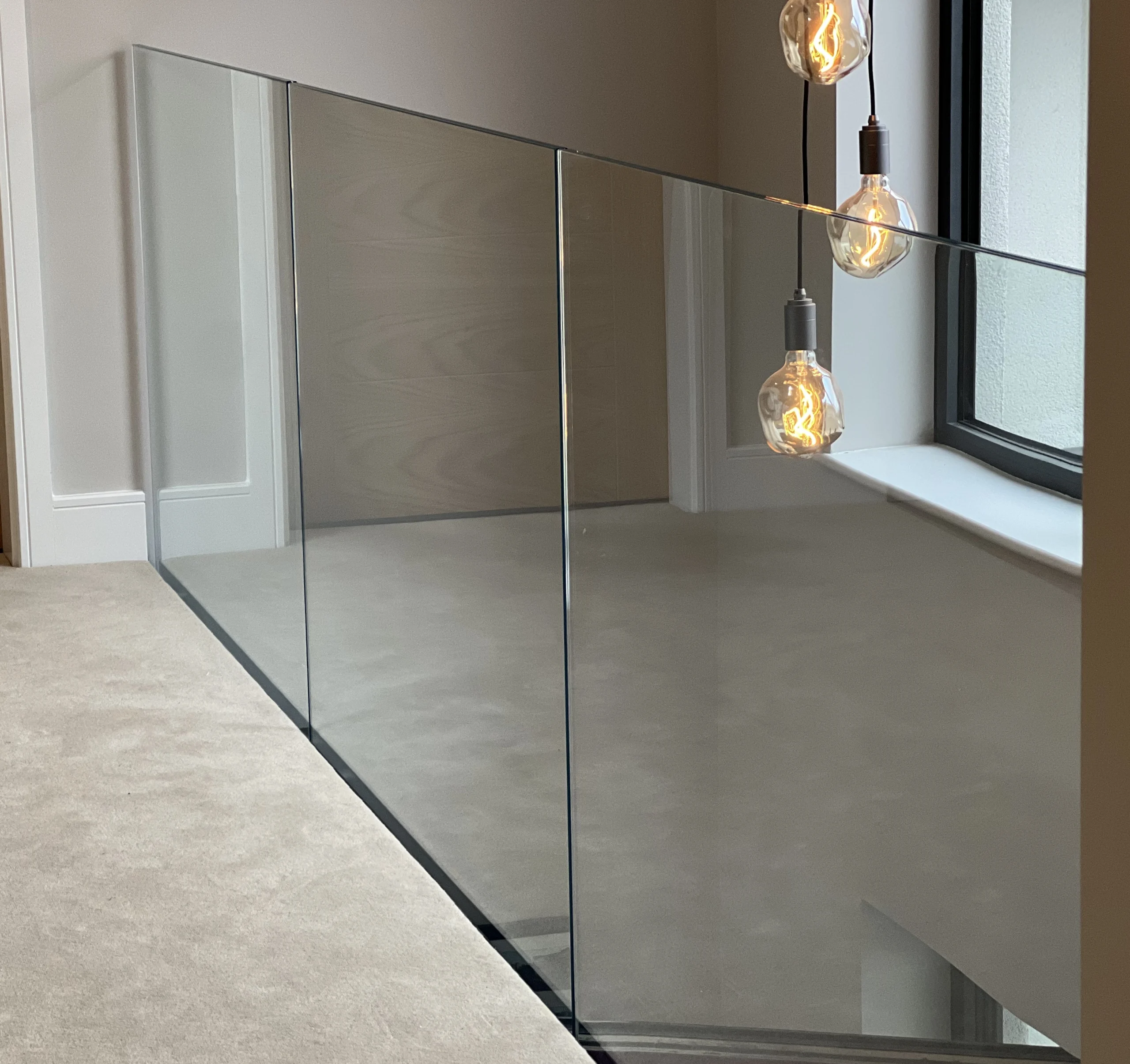

Post-Installation Safety Checks
A correctly installed glass balustrade should require only routine visual inspection over its service life. These are the checks to perform annually on any existing glass staircase balustrade to confirm continued safety.
Annual Safety Inspection Checklist
Glass Balustrade Safety — FAQ
Common safety questions from UK homeowners considering glass balustrades on staircases.
Free Survey + BS 6180 Compliance
Every Continox glass balustrade engineered to BS 6180, BS EN 12150 and BS EN 14449, with structural calculations provided as standard. Free survey across the UK, fixed-price quote within 24 hours. Framed from £350/m, frameless from £450/m.