
A glass balustrade installation is not a weekend project — it is a structural, regulated installation that must be measured, engineered and installed to specific British Standards. Plan it poorly and you end up with unsafe fixings, glass thicknesses that fail under load, and cost overruns that derail the rest of your renovation. Plan it well and you get a clean, compliant, architectural finish that lasts 20+ years with no maintenance beyond occasional cleaning. This guide walks through every phase — survey, specification, regulations, realistic UK costs, installer selection and installation day — based on Continox's fifteen years of bespoke glass balustrade installations across the UK.
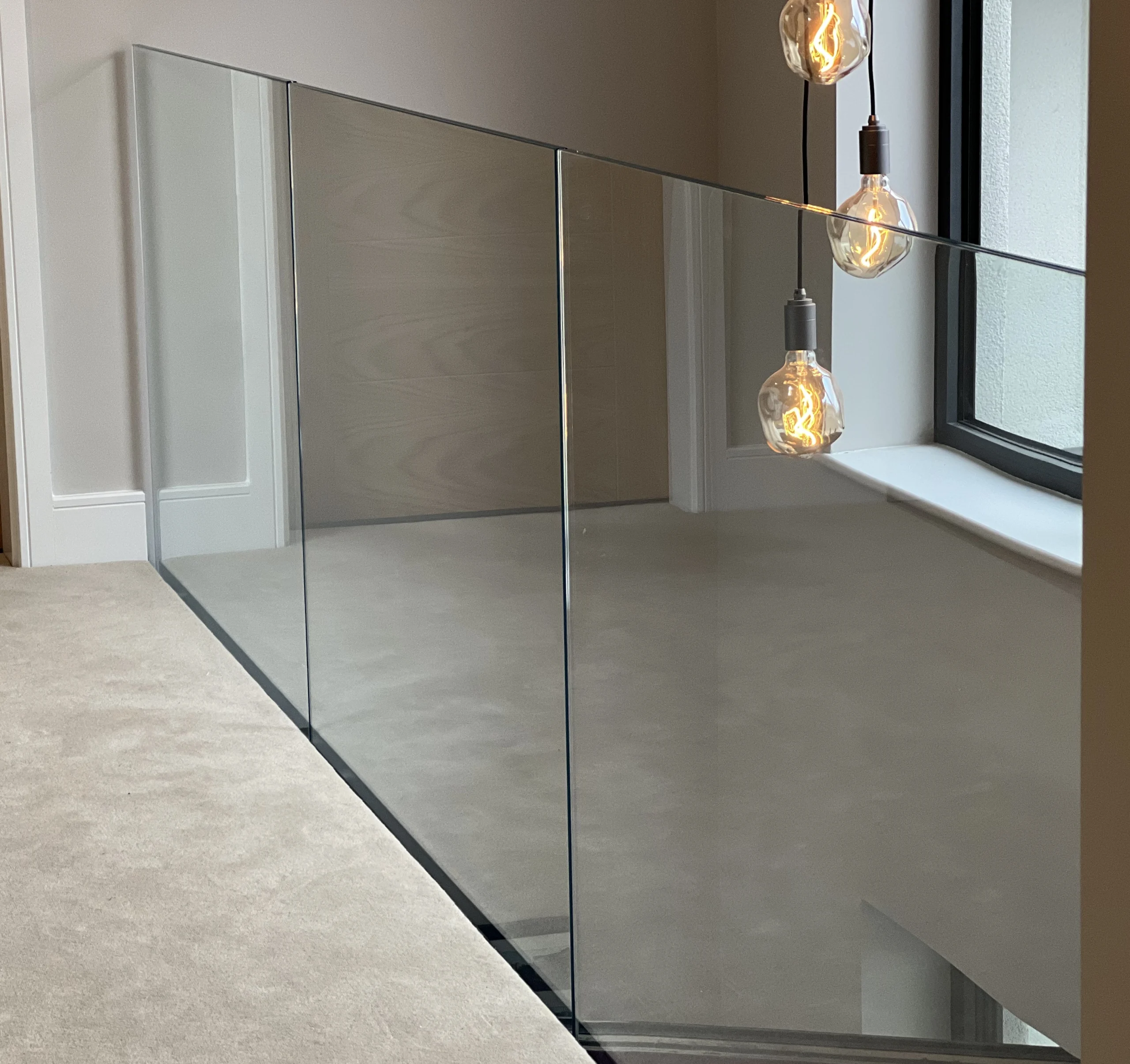
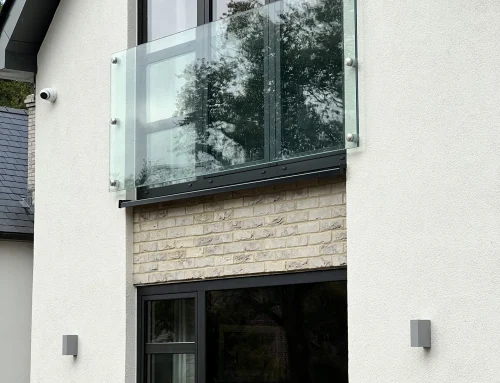
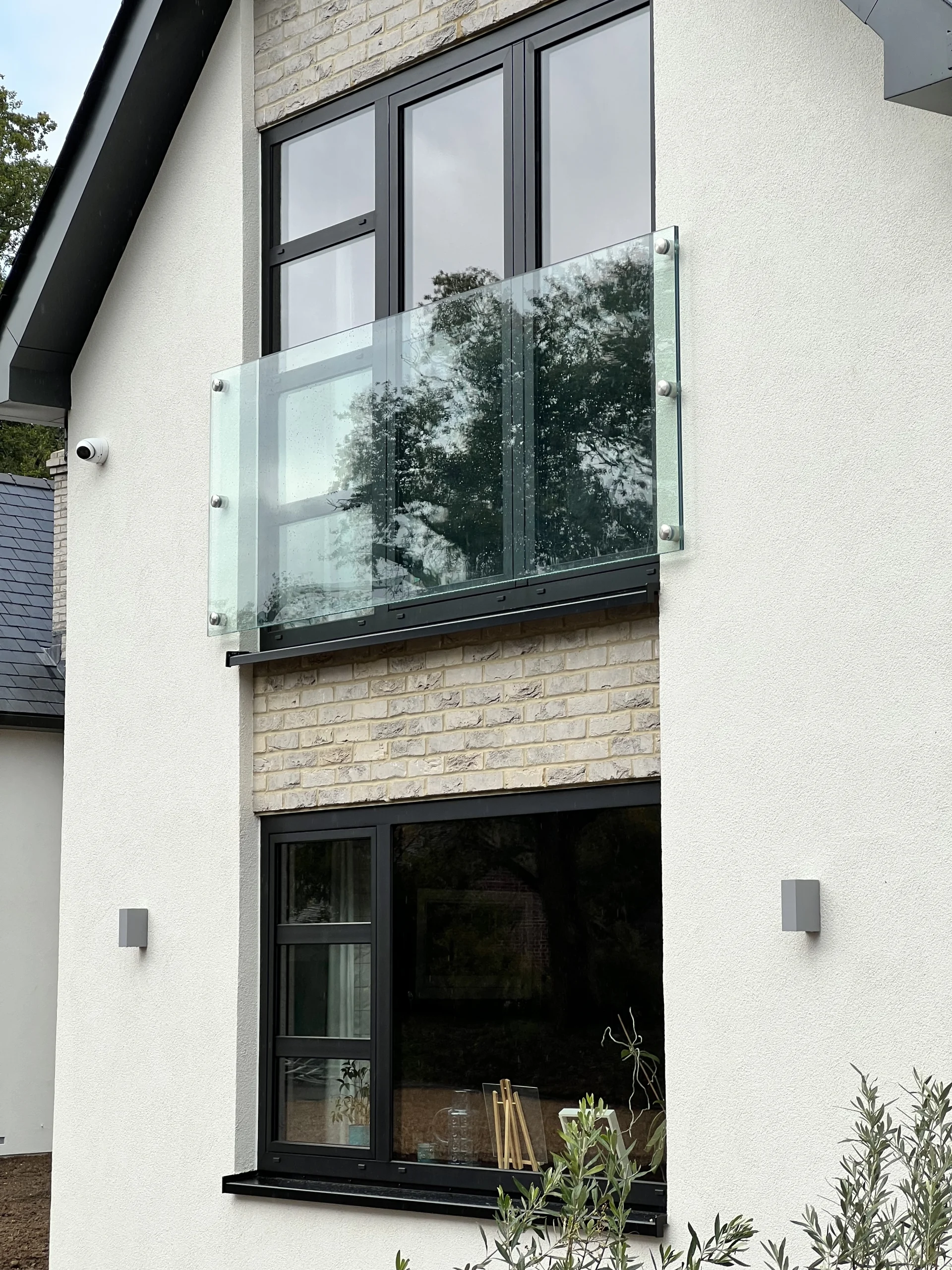
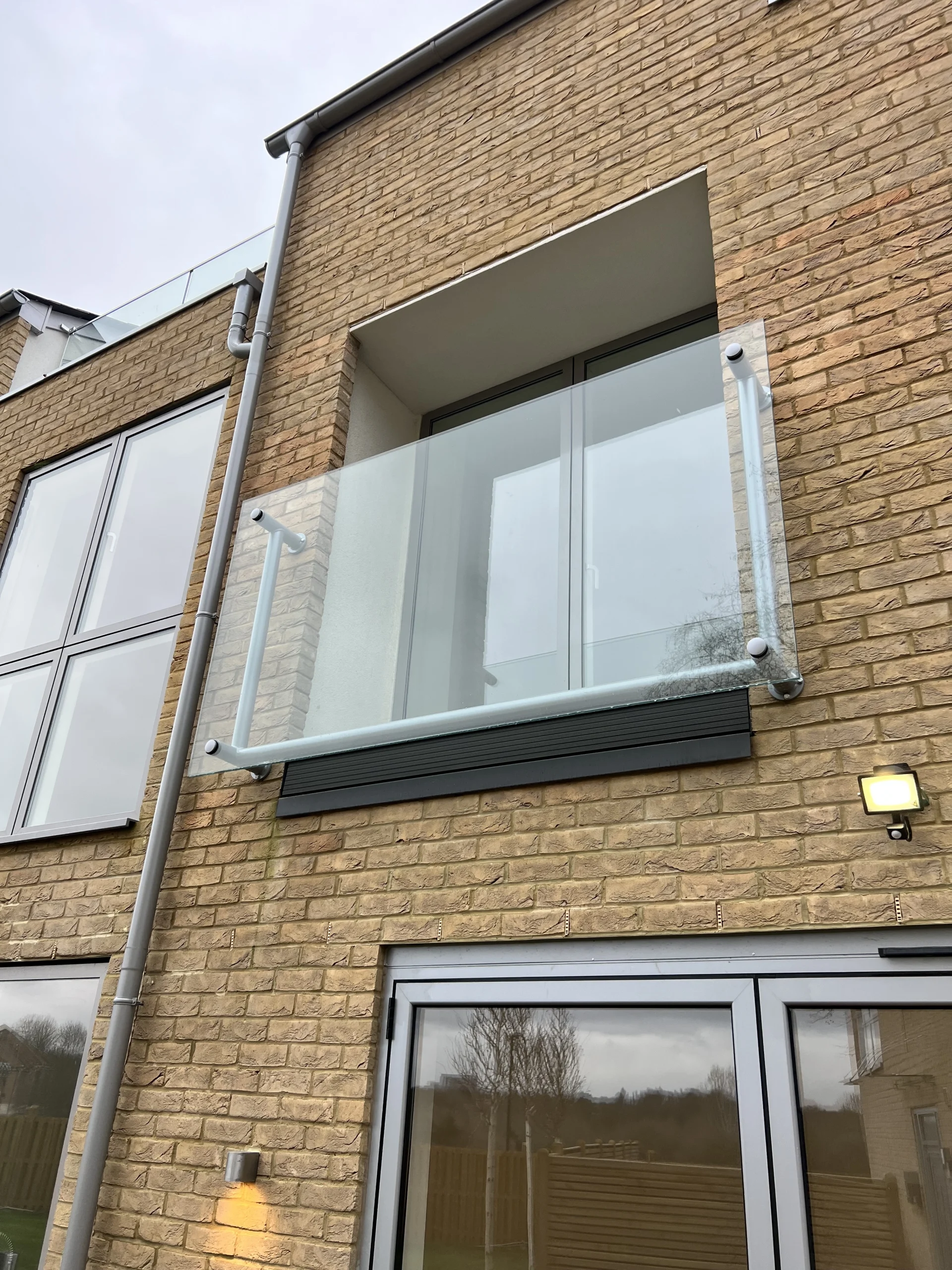
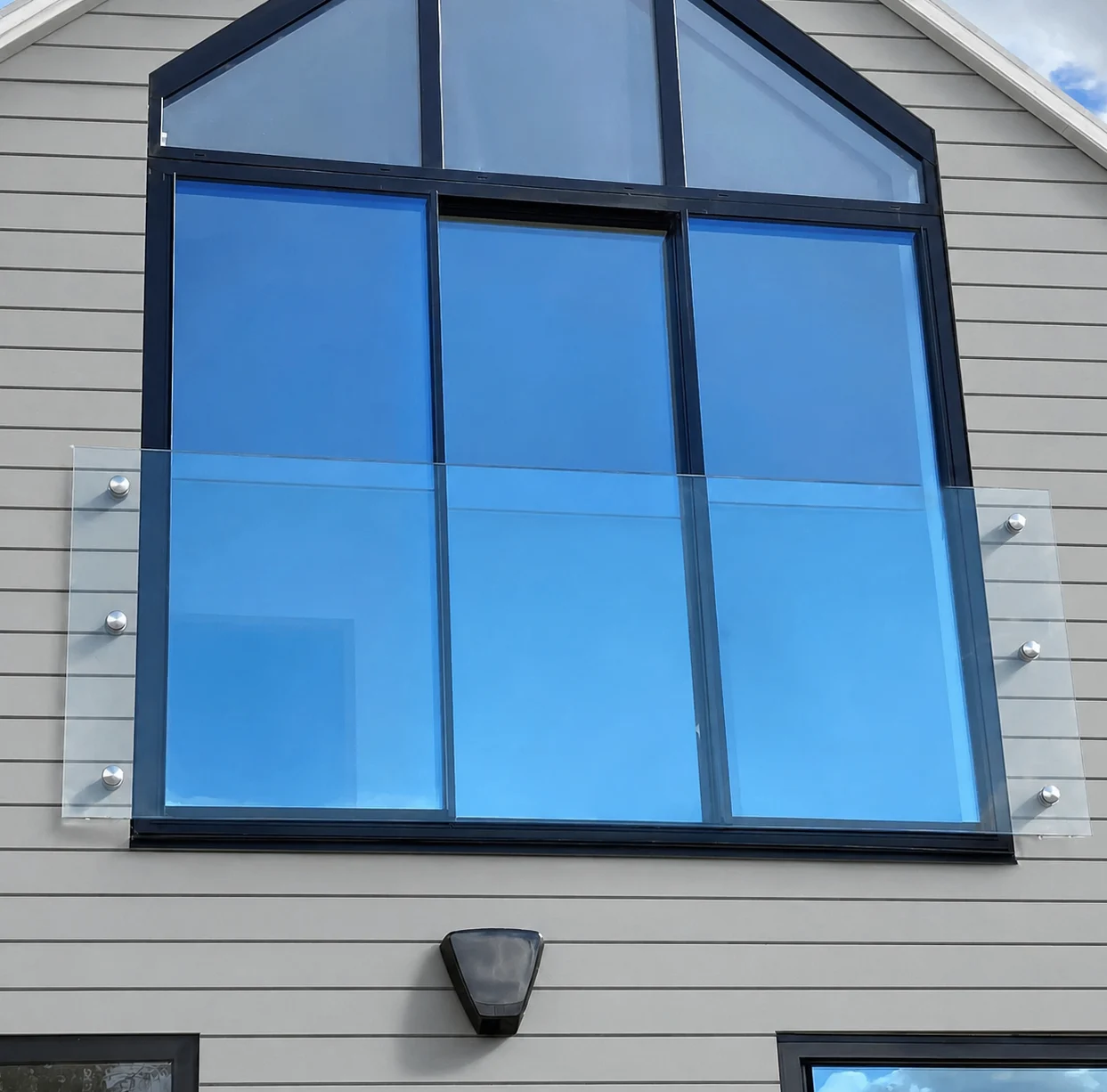
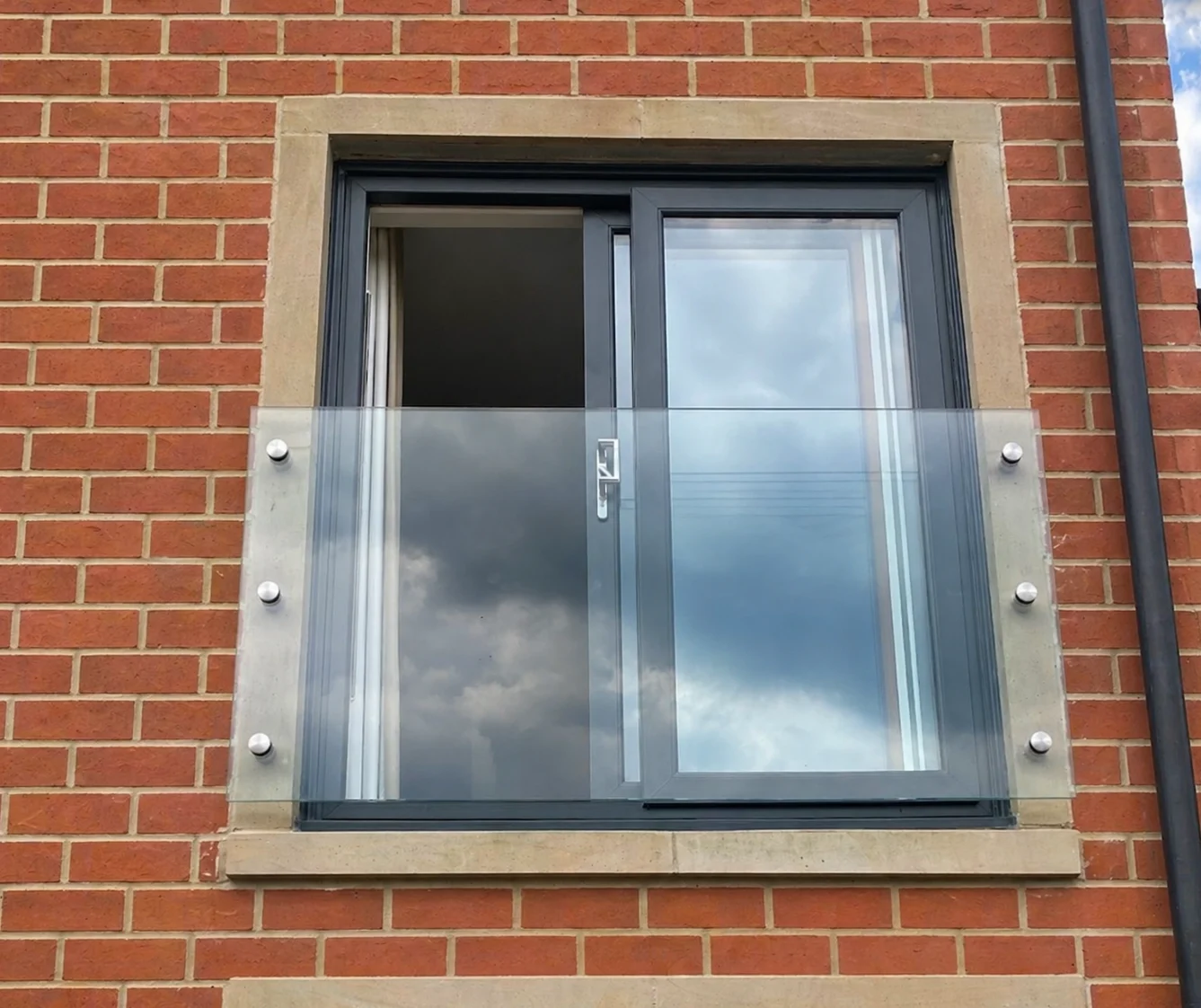
Frameless glass balustrade installation by Continox — 17.5mm toughened & laminated glass, recessed channel fixing, zero-tolerance installation.
Phase 1 — Planning Your Installation
Every glass balustrade installation begins with an on-site survey. The survey captures three things that cannot be assessed from photos or drawings: the precise run lengths (often out of square or uneven on older properties), the substrate the balustrade will fix into (timber, concrete, steel or masonry — each requires a different fixing specification), and the level reference for the glass top edge.
Continox carries out a free site survey before any fabrication begins. The surveyor measures to ±2mm tolerance, photographs all fixing points, and flags any structural issues — for example, timber joist spacings that won't accept a frameless base channel, or a floor plate that requires additional blocking before the balustrade can be fixed.
Why the survey matters: Frameless glass balustrades rely on the structural integrity of the substrate to resist horizontal load. If the fixing surface is wrong — or the fixing specification is wrong for that surface — the balustrade will either fail loading tests at commissioning, or deflect more than allowed under live load. Both outcomes mean the balustrade has to come out and be redone. The survey catches this before fabrication.
The second planning decision — and the one with the biggest cost impact — is whether to specify a framed or frameless system. Both are structurally compliant when correctly engineered, but they deliver very different aesthetics and price points.
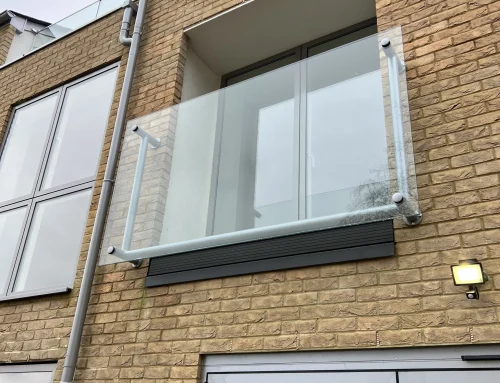
Framed systems use a powder-coated steel or stainless steel post-and-rail structure with glass infill panels. The metalwork carries the structural load; the glass is held within the frame. This is the most cost-effective specification and suits traditional properties, commercial premises, and any application where budget is the primary driver. From £350/m installed.
Frameless systems use structural glass with no visible frame — the glass itself carries the load, fixed into a recessed base channel. This is the premium specification, used where the client wants an uninterrupted architectural line. It requires thicker glass (17.5–25mm toughened & laminated), a deeper substructure to take the channel, and more precise installation tolerances. From £450/m installed.
The full range of options is covered in our glass balustrade range — including framed, frameless, post-and-rail, and privacy variants.


Glass balustrades in the UK are governed by three overlapping standards, and non-compliance is the single most common reason a balustrade fails building control sign-off. Before you specify anything, know which standards apply to your project.
Approved Document K (Part K) sets out the geometric requirements — minimum balustrade height of 900mm on stairs, 1100mm for landings and elevated floor levels, and the 100mm sphere rule (no gap larger than 100mm anywhere in the balustrade through which a child's head could pass). BS 6180 defines the structural loading requirement — 0.74 kN/m horizontal line load for single-family residential, 1.5 kN/m for general public access, and 3.0 kN/m for high-density public areas. BS EN 12150 and BS EN 14449 cover the glass itself — toughened to BS EN 12150, toughened & laminated to BS EN 14449 for any application where the glass must retain residual load-bearing capacity after breakage.
For balcony and external applications, glass must be toughened & laminated — single-pane toughened glass is not acceptable as the primary barrier at height due to spontaneous breakage risk. For a full breakdown see our glass balustrade regulations guide.
Most common compliance failureUsing standard toughened glass for balcony balustrades at height. Standard toughened glass can undergo spontaneous breakage from nickel sulphide inclusions — if it breaks, the entire pane disintegrates and there is no residual barrier. For any balustrade at height, specify toughened & laminated glass (the inner PVB interlayer holds the fragments in place after breakage). This is a specification issue caught at quotation, not at installation — but once the wrong glass is ordered, it's expensive to correct.
Phase 2 — Budgeting Realistically
The single most misleading pricing you will find online for glass balustrades is "£150–£250 per metre." This is a supply-only, DIY-kit price for entry-level framed systems — not an installed price, not a bespoke price, and not a price that includes compliant structural engineering. For a professionally surveyed, bespoke, installed balustrade in the UK, the realistic pricing is as follows.
These prices cover free site survey, structural design, fabrication in UK workshop, delivery, and installation. For an external balcony application — see our balcony railings page — the £450/m starting point includes the toughened & laminated specification required at height, duplex powder-coated posts, and weather-sealed fixings.
Cost Drivers — What Moves the Price
| Cost Driver | Impact | Notes |
|---|---|---|
| Framed → Frameless | +£100/m | Thicker glass + deeper channel substructure |
| Standard → Low-iron glass | +15–20% | Removes green tint, specified for premium residential |
| Timber → Masonry substrate | +£80–£150/m | Chemical anchors, structural blocking works |
| Interior → External (duplex finish) | +£60–£120/m | Hot-dip galvanising + powder coat |
| Standard RAL → Custom RAL colour | +£200–£400 fixed | Minimum powder coat batch charge |
| Timber handrail capping | +£55–£85/m | Oak / walnut solid handrail over steel core |
Four cost categories reliably cause budget overruns on glass balustrade projects — and three of them are avoidable with correct planning at the survey stage.
Budget Contingencies — Allow For These
Phase 3 — Choosing an Installer
The quality of a glass balustrade installation depends almost entirely on the installer's experience with structural glass fixings, measurement tolerances, and compliance with BS 6180. A badly installed balustrade will look correct on the first day and start to fail — visible fixings working loose, glass deflection outside specification, sealant failing — within 6–24 months. These are the questions to ask before engaging any installer.
Qualifying Questions for Every Installer
Phase 4 — Installation Day & Aftercare
From first enquiry to completed installation, a bespoke glass balustrade project in the UK typically runs 4–8 weeks. The timeline breaks down as follows.
Installation Day — What to Expect
On installation day, the area around the balustrade run needs to be clear to 1.2m either side — the installers need room to position the base channel, lift the glass panels (even a 1.2m x 1.1m laminated panel weighs 60–80kg), and operate suction lifters without obstruction. Pets should be kept well away from the installation area for the duration of the works.
A typical domestic frameless balustrade of 4–8m completes in 1–2 days. Commercial installations, external balconies requiring scaffolding, or multi-run projects run 2–5 days depending on scope.
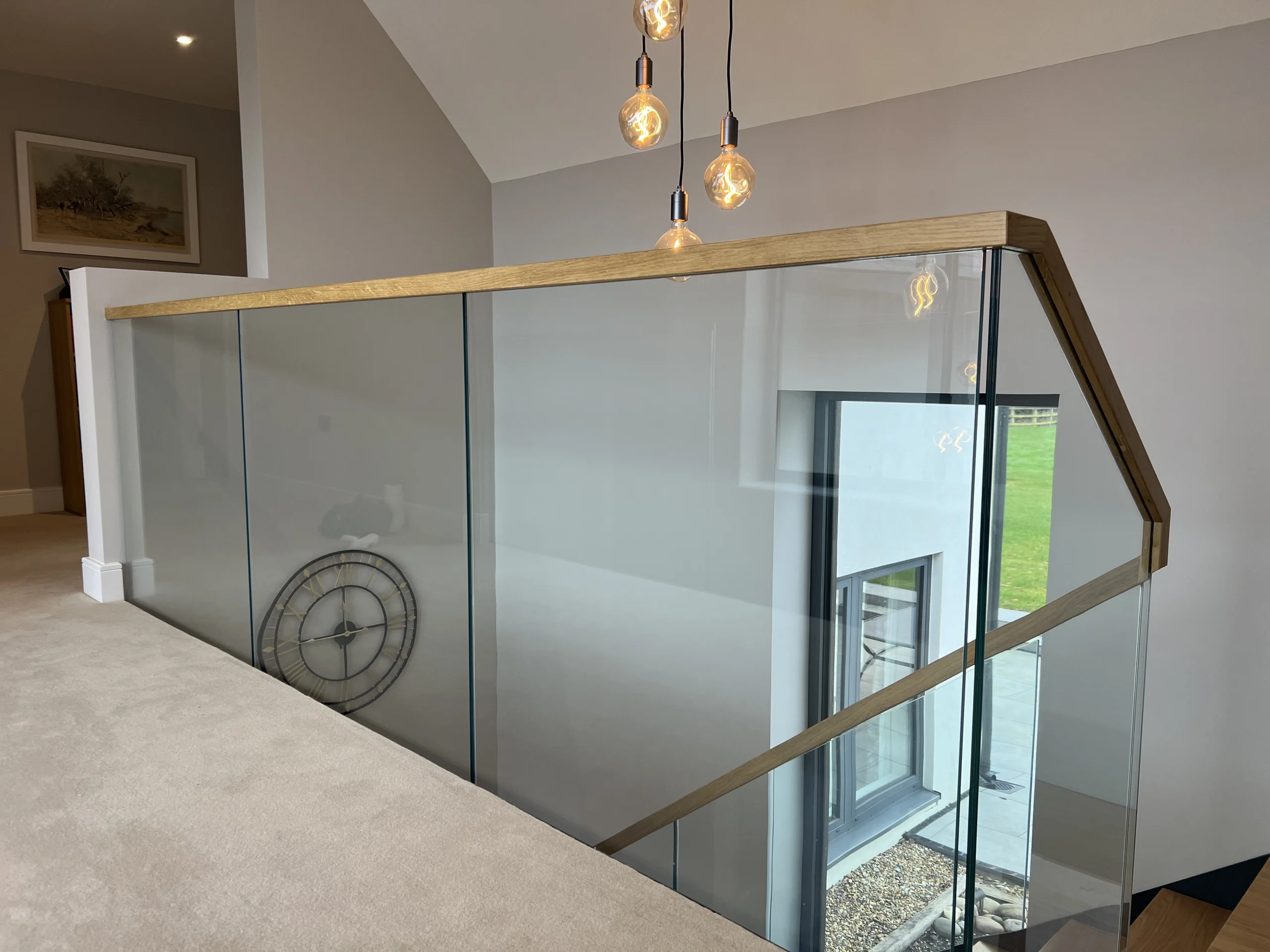

A correctly installed glass balustrade requires remarkably little maintenance — which is one of its significant advantages over timber, cable or wrought iron alternatives. Toughened & laminated glass does not degrade with UV exposure, powder-coated steel does not rust in interior environments, and modern structural sealants retain their performance for 20+ years.
Routine aftercare: Clean glass with a standard glass cleaner and microfibre cloth — monthly for interior applications, more frequently for balconies and externals. Wipe powder-coated metalwork with a damp cloth; do not use abrasive cleaners or solvents. Inspect fixings visually once a year — any visible movement, cracking around fixing points, or sealant discolouration should be reported to the installer for assessment. On external applications, inspect weather seals annually.
If a panel is damaged — usually from impact rather than structural failure — a well-documented installation allows single-panel replacement without disturbing the rest of the run. This is another reason to choose an installer who keeps full records of your specification: replacement panels need to match the original glass build-up, edge finish and fixing method exactly.
For inspiration on how a glass balustrade can integrate with a modern staircase design see our modern staircase range — from £7,900 for floating staircases with integrated frameless glass.
Glass Balustrade Installation — FAQ
Common questions from homeowners and project managers planning a glass balustrade installation in the UK.
Free Survey + 3D Visuals
Free on-site survey across the UK, photorealistic 3D visuals of your balustrade in your space, fixed-price quotation within 24 hours. Framed from £350/m, frameless from £450/m — designed, manufactured and installed in-house.